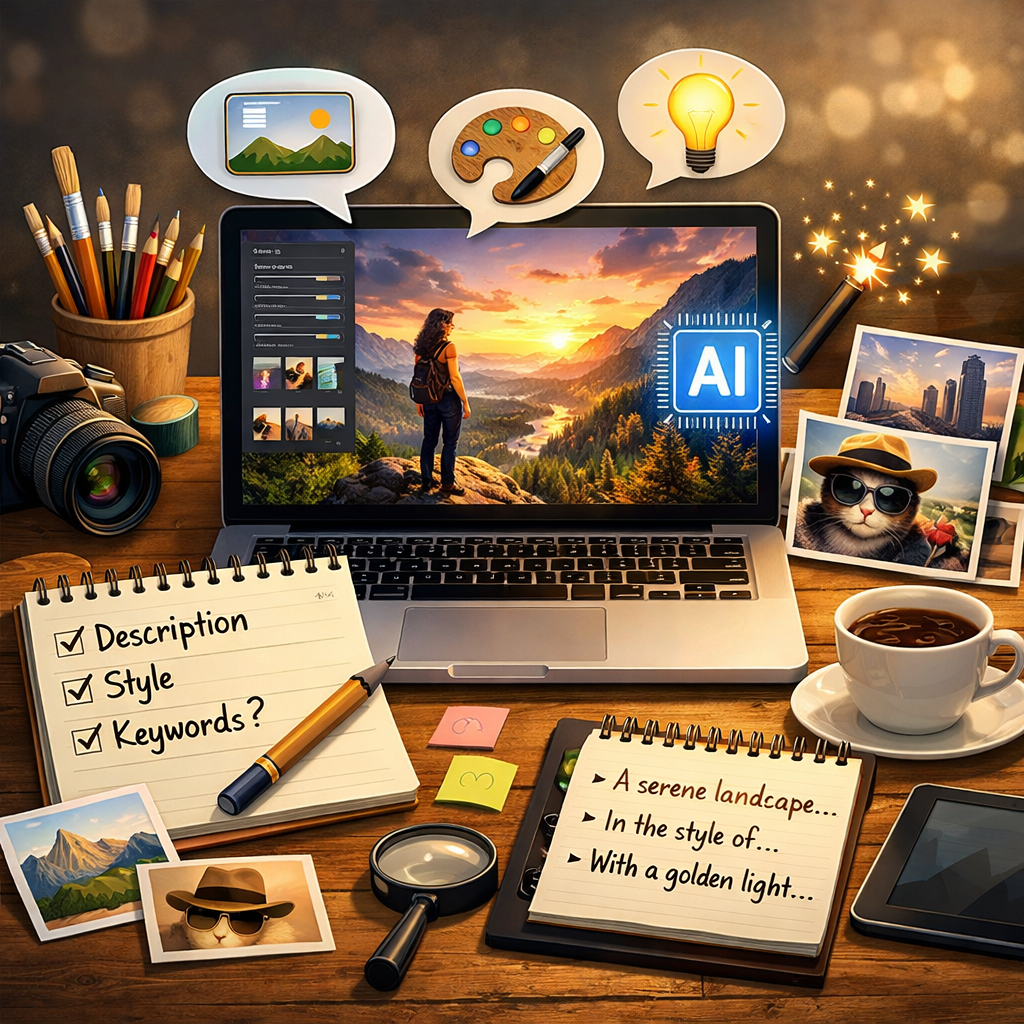
Why AI image tools are useful for everyday visual work
AI image tools have become useful for many different types of visual tasks, not only for designers or technical users. A modern online platform can help people create new images from text, improve existing pictures, remove unwanted parts, change backgrounds, expand image areas, and try different visual styles in less time than traditional editing methods. For a website like imageaifree.com, this topic is a strong addition to existing articles about creating images, editing with AI, and writing better prompts, because it helps visitors understand when and why these tools fit into real workflows. Many users arrive with a goal rather than a technical question. They may want a product image for a shop, a social media post, a blog illustration, a new profile picture, or a cleaner version of a photo they already have. AI helps by reducing the time needed to move from idea to finished image. Instead of starting with a blank canvas or learning complex software, users can describe the result they want and then refine it step by step. This makes image creation more accessible for students, marketers, content creators, small business owners, and people working on personal projects. It also supports experimentation, because users can quickly compare styles, lighting, colors, and layouts before choosing the version that works best.
Creating original images from text ideas
One of the most popular uses of AI image tools is generating original images from simple text prompts. This is especially helpful when a user needs a custom visual that does not exist in a stock library or when they want something more specific than a general photo search can provide. A text-to-image tool can support website graphics, blog headers, advertising concepts, mockups, digital art, and themed visuals for events or campaigns. For example, a user can describe a modern workspace, a fantasy landscape, a food scene, or a minimal product background, then adjust the prompt to explore different moods or details. This process is useful for creative testing because it allows fast concept development without requiring a full photo shoot or advanced design process. It is also valuable for users who want unique visuals that match a brand tone or article topic more closely. When combined with good prompt writing, AI image generation can produce stronger first drafts and reduce the gap between imagination and output. On a platform that also offers image conversion tools, this becomes even more practical. Users can generate an image, improve or edit it, and then convert it into the format that suits their final use, whether that is JPG for easy sharing, PNG for transparency support, WebP for web performance, or PDF for documents and presentations.

Editing existing images faster and with less effort
AI is not only for generating new pictures. It is also highly effective for editing images that users already have. This includes removing objects, replacing backgrounds, cleaning up distractions, improving clarity, changing colors, and making photos better suited for websites, online stores, or social media. Many people have usable images that only need a few changes, but traditional editing tools can feel too complex or time-consuming. AI editing can simplify these tasks by offering more direct ways to achieve a result. A seller might want to place a product on a plain background. A blogger may need to resize and improve a photo for an article. A business owner could update an older image to fit a new campaign style. A creator may want to turn a basic portrait into a more polished visual with a different atmosphere. These are practical use cases that show how AI helps with both quality and speed. It also supports iterative editing, where users can make several small improvements instead of trying to complete everything at once. This is important because good visual content often develops through testing and adjustment. When users can quickly edit, compare, and export images in different file types, they gain more control over the final result. That makes AI image editing especially valuable for websites that serve a broad audience, including people with limited design experience.
Who benefits most from AI image creation and editing
The best uses for AI image tools become clear when looking at the different groups who rely on visuals every day. Content creators can use AI to make article images, thumbnails, and post graphics that match a topic more closely. Small businesses can create promotional materials, product visuals, and branded assets without needing a large design budget. Students and teachers can prepare educational graphics and presentation images more quickly. Freelancers can build concept art, marketing drafts, and social media content for clients with faster turnaround times. Even casual users can improve travel photos, create invitations, or make personal artwork from simple ideas. In each case, the value of AI comes from saving time, lowering the skill barrier, and expanding creative options. For imageaifree.com, this subject helps connect the site’s AI generation and editing features with its large range of image converter tools. Users often need both creation and file flexibility in the same workflow. They may generate an image, edit it for quality, and then convert it for web use, printing, sharing, or platform requirements. This makes the overall experience more complete and useful. AI image tools are most effective when they help people move from idea to final file with fewer steps, clearer choices, and more room to experiment. That practical benefit is the reason these tools continue to grow in importance across creative, business, and everyday digital work.